
Birmingham Time is setting the pace for a city where railway platforms, factory floors and financial offices begin moving long before the first rush-hour crowds appear. Birmingham, England, operates on Greenwich Mean Time during the colder months and shifts to British Summer Time when daylight saving begins. That one-hour change can affect far more than the hands on a clock. Commuters adjust train connections。schools revise routines and international companies reset meetings across Europe, Asia and North America. For residents, Birmingham Time is usually taken for granted until a missed appointment or delayed video call exposes the difference between local time and the time displayed on a phone abroad.
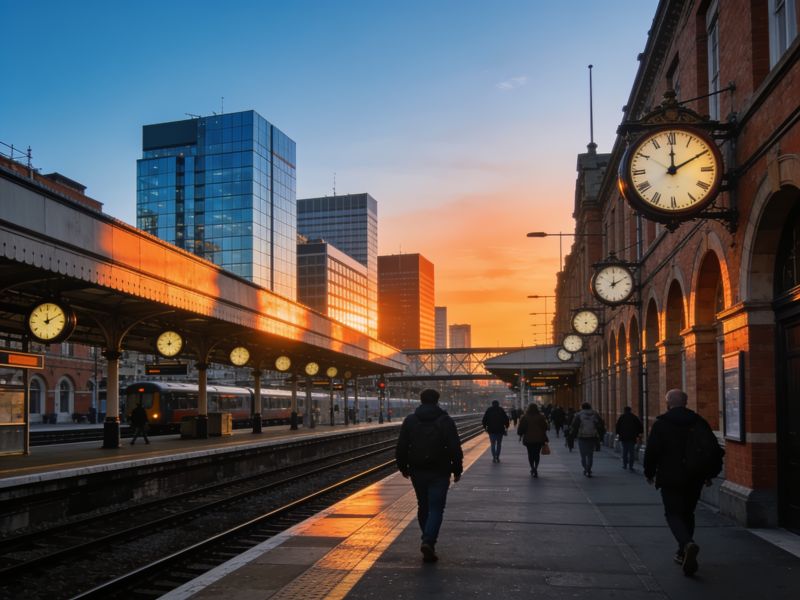
The city’s transport network offers the clearest example of how Birmingham Time influences everyday decisions. At New Street station, an early departure may connect workers from Wolverhampton。Coventry or the Black Country with offices opening at eight or nine o’clock. A small change in Birmingham Time can create a narrow transfer window, particularly for passengers relying on regional services with limited frequency. Rail staff typically work from synchronized national timetables, but passengers still arrive early when clocks move forward in spring. On those mornings, the platform atmosphere is noticeably quieter, with tired travelers checking their screens and asking whether the displayed Birmingham Time is correct.Businesses with overseas clients pay close attention to Birmingham Time because the city’s working day overlaps differently with major markets throughout the year. A Birmingham software company may schedule a call with New York at 2 p.m. local time, while a partner in Singapore joins near the end of the evening. During the weeks when the United Kingdom and the United States change their clocks on different dates, that arrangement can shift unexpectedly. Operations managers often circulate reminders。update calendar systems and check booking platforms manually. The practical concern is not academic: a missed supplier call can delay a shipment, while an incorrectly scheduled interview can leave a candidate waiting in an empty digital meeting room.Birmingham Time also carries a cultural meaning that is easy to overlook. In cafés around Digbeth and the Jewellery Quarter, people use the city’s clock as a social marker, meeting “after work” rather than naming an exact hour. Local broadcasters and event organizers have to publish times clearly when audiences may be following from outside the West Midlands. A concert advertised for 7.30 p.m. follows Birmingham Time。even if fans are buying tickets from Dublin, Dubai or Delhi. The phrase has an additional complication in global search results: Birmingham, Alabama, follows Central Time in the United States. Travelers who search only for “Birmingham Time” can therefore find two very different answers, separated by thousands of miles and several hours.
For residents, the most reliable habit is to let smartphones and computers update automatically, then confirm the time zone before booking travel or arranging an international call. Official UK guidance remains the safest reference when the clocks change, while railway operators and airlines provide route-specific information. Birmingham Time may look like a simple label beside a digital clock, but it quietly coordinates the city’s movement。commerce and public events. A few seconds spent checking it can prevent a missed train;
a business that understands it can protect a deal. In a city increasingly connected to markets beyond the Midlands, accurate Birmingham Time is a small detail with expensive consequences.