A women's football head coach rarely gets the luxury of a quiet rebuild. When Sarina Wiegman took over England in 2021, she inherited a squad rich in talent but scarred by semifinal exits. Within two years, she had them in a World Cup final. That kind of turnaround isn't luck—it's the product of a head coach who understands that the job description extends far beyond picking a starting XI. The best in the role operate as cultural engineers, tacticians。and psychologists rolled into one, often with a fraction of the resources their male counterparts command.Consider the tactical demands. Women's football has evolved at a staggering pace;
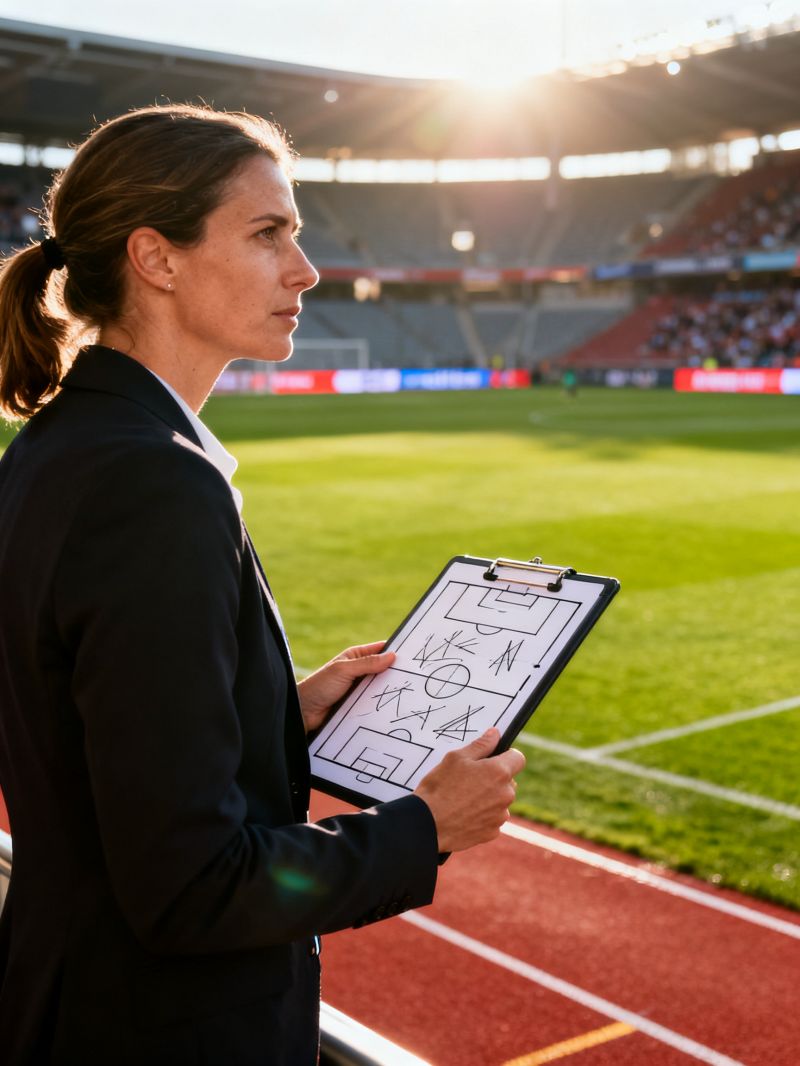
a head coach who relied on the same 4-4-2 for a decade would be eaten alive. Look at Emma Hayes at Chelsea—her ability to switch between a back three and a back four mid-match, depending on how the opposition presses, kept her side dominant in the WSL for years. That flexibility isn't academic. It comes from hours of video analysis。yes, but also from a head coach who trusts her players to solve problems on the pitch. I've watched Hayes bark instructions from the touchline, then go quiet for ten minutes, letting the team figure it out. That silence is a coaching tool as much as any drill.Recruitment and development sit at the heart of the women's football head coach's remit, and the constraints are real. Budgets are smaller, scouting networks thinner。and the pool of fully professional players—while growing—remains limited in many leagues. A head coach who waits for ready-made stars will wait forever. The smarter approach is to spot potential in a 19-year-old from a second-tier side and build a system that hides her weaknesses while amplifying her strengths. Jonas Eidevall did exactly that at Arsenal with players like Frida Maanum, converting a central midfielder into a goal-scoring No. 10. That's not a lucky hunch;it's a head coach who studies data and trusts her eyes.Man-management, though。
is where the role gets messy and human. A women's football head coach deals with the same ego clashes and injury crises as anyone else, but often with smaller support staff. When a senior player feels sidelined, the head coach is the one taking the call at 10 p.m. When a young prospect loses confidence after a high-profile error, it's the head coach who decides whether to drop her for protection or start her again to build resilience. There's no universal right answer. I've seen coaches lose a dressing room by being too rigid;I've seen others lose respect by being too soft. The ones who last—Wiegman, Hayes。Bev Priestman before the Olympic scandal—share a knack for being direct without being cruel. Players describe them as demanding but fair. That's not a cliché;it's a survival skill.The women's football head coach also carries a public burden that rarely gets discussed. Every press conference becomes a referendum on the growth of the game. A bad run of results invites lazy commentary about whether the team is 'ready' for the big stage. Coaches like Wiegman handle this by refusing to indulge the framing—she talks about processes, not narratives. That discipline trickles down. Players stop reading headlines. The focus stays on the next training session. It's unglamorous work, and it doesn't make highlight reels. But it's the difference between a team that crumbles under scrutiny and one that thrives. The role isn't about miracles. It's about building an environment where good decisions become habitual—and then repeating that, week after week。until the results look inevitable.