he Western Sydney Wanderers didn't exist five years before they won the AFC Champions League. Let that sink in. Founded in 2012, the club from Sydney's sprawling western suburbs went from a blank sheet of paper to continental champions in 2014, a run that still feels like a fever dream for anyone who stood in the terraces of Parramatta Stadium during those early days. I remember watching the final against Al-Hilal—the noise, the red-and-black tifo, the sheer disbelief. That wasn't just a football result;it was a statement from a region that had been told。for decades, that it didn't matter.Western Sydney is not the postcard version of Sydney. It's the M4 corridor。
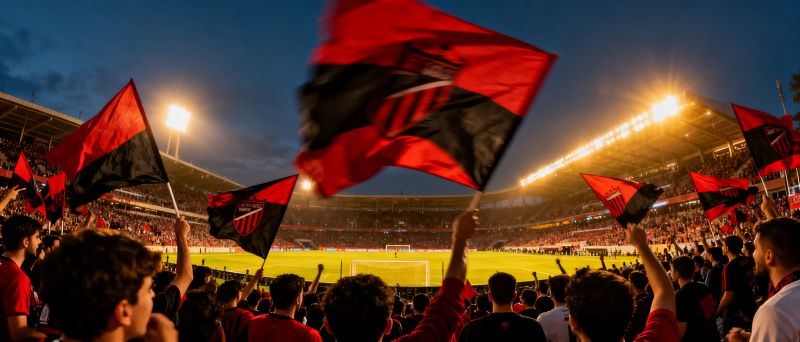
the housing estates, the immigrant enclaves where football is spoken before English in some households. The Wanderers tapped into that. Their active support group, the Red and Black Bloc, didn't behave like polite A-League spectators—they brought flares, chants, and a relentless, sometimes confrontational energy. Critics called it hooliganism. I call it ownership. When a club lets a community write its own soundtrack, you get something organic, not manufactured. The RBB's presence turned home games into events that felt culturally specific, not just sporting fixtures.On the pitch, the club's identity has been more erratic. Tony Popovic built the early success on a compact, hard-running 4-2-3-1 that suffocated opponents. Later managers tried to replicate that intensity and mostly failed. The 2022-23 season under Marko Rudan offered a glimpse of revival—a finals run that ended in a semi-final loss to Melbourne City—but consistency has been elusive. Stadium issues haven't helped. The move from Parramatta to the new Western Sydney Stadium (now CommBank Stadium) gave the club a modern home, yet the atmosphere sometimes feels sanitised compared to the old ground's rough charm. That's a trade-off many Western Sydney Wanderers fans grumble about over a beer.What keeps the club relevant isn't trophies or marquee signings. It's the youth pipeline and the community programs that operate in places like Blacktown and Campbelltown, where kids from Pacific Islander, Vietnamese, and Lebanese backgrounds get their first organised coaching. The Wanderers' academy has produced Socceroos like Tate Russell and Keanu Baccus, and the club's women's team has quietly built a competitive edge in the A-League Women. These aren't glamorous stories。but they matter more than a one-off Champions League run. Football clubs in Australia survive on membership and local engagement, not broadcast deals. The Wanderers understand that better than most.Ten years from now, the Western Sydney Wanderers will probably still be chasing another trophy. The A-League's financial instability and the club's own ownership wobbles make long-term predictions foolish. But walk through the stands on a Saturday night when the RBB is in full voice, and you'll see something that doesn't show up in league tables: a community using football to claim its place in a city that often overlooks it. That's the real story of the Wanderers. Not the 2014 miracle, but the everyday stubbornness of showing up, season after season。in a part of Sydney that refuses to be forgotten.